

In recent years, the conversation around fat loss has shifted far beyond simple calorie counting and restrictive diets. Today, people are exploring more advanced and sustainable approaches that focus not only on reducing body fat, but also on improving energy levels and supporting long-term vitality. This modern perspective recognizes that true transformation comes from optimizing how the body functions, not just how it looks.
From personalized nutrition strategies to innovative research-backed compounds and lifestyle optimization, new methods are emerging that aim to enhance metabolism, stabilize energy, and promote overall longevity. As science continues to evolve, these approaches are reshaping how we think about fat loss, turning it into a more holistic process that supports both performance and well-being.
Modern fat loss is no longer just about eating less and moving more. Today, the focus has shifted toward improving energy, metabolism, and overall longevity. Instead of quick fixes, people are turning to sustainable strategies that support how the body functions daily. From smarter nutrition to lifestyle optimization and emerging research, these new approaches aim to deliver lasting results while maintaining stable energy levels and long-term health.
The Shift From Calorie Restriction to Metabolic Optimization
For years, fat loss was primarily associated with strict calorie restriction, often leading to short-term results and long-term frustration. Today, the focus is shifting toward metabolic optimization, a more sustainable approach that supports how the body produces and uses energy. Instead of drastically cutting calories, this method emphasizes balanced nutrition, proper macronutrient intake, and lifestyle habits that help maintain a healthy metabolism.
By supporting metabolic function, individuals can improve energy levels, reduce fatigue, and promote more consistent fat loss over time. Factors such as sleep quality, stress management, and physical activity play a key role in this process. Rather than forcing the body into a deficit, metabolic optimization works with the body, helping it function efficiently while supporting long-term health and performance.
How Energy Balance Impacts Fat Loss Results
Energy balance plays a central role in determining fat loss results, but it is more complex than simply calories in versus calories out. It involves how the body uses energy, stores it, and adapts over time. When energy intake and expenditure are properly aligned, the body can function efficiently while gradually reducing excess fat. Poor energy balance, on the other hand, can lead to fatigue, stalled progress, and inconsistent results.
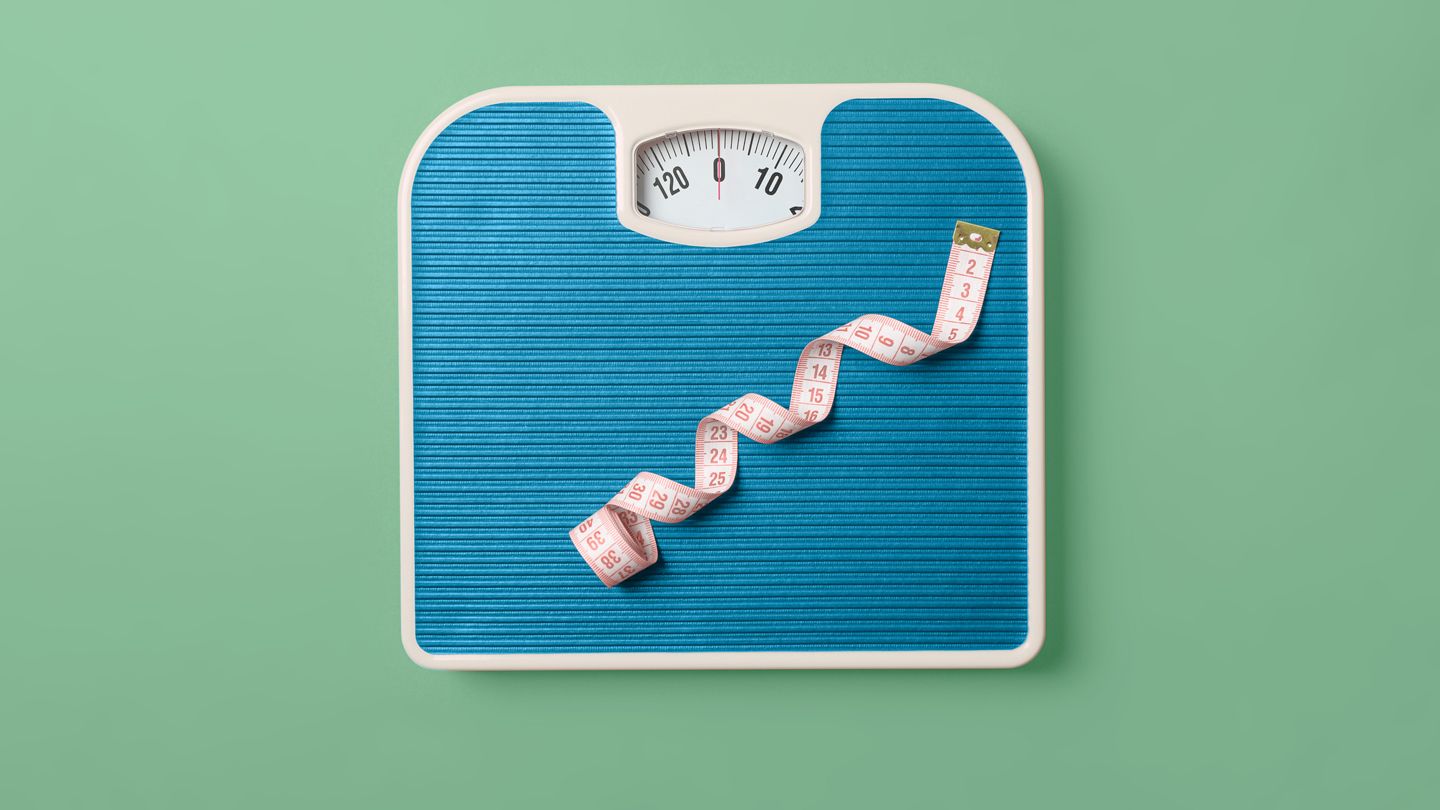
If you want to learn everything about peptides from A to Z, the Peptide Science website is the right place for that. Understanding this balance helps create a more sustainable and effective approach to fat loss and long-term health.
Emerging Science Behind Fat Loss and Performance
Emerging science is reshaping how we understand fat loss and physical performance by focusing on how the body regulates energy, recovery, and adaptation. Instead of relying only on traditional diet and exercise methods, new research explores factors such as metabolic efficiency, hormone balance, and cellular function. These insights help explain why some individuals respond differently to the same routines.
Advancements in this field also highlight the importance of recovery, sleep quality, and stress management in achieving consistent results. By combining these elements with structured training and proper nutrition, modern approaches aim to enhance both fat loss and overall performance in a more sustainable and efficient way.