


Peptides have become a major focus in modern skincare, especially as more people look for science-backed alternatives to invasive treatments. Among these, Pal-AHK peptide is gaining attention for its potential role in skin regeneration, anti-aging, and overall skin health. While not as widely known as some other peptides, it belongs to a promising category of bioactive compounds designed to support the skin at a cellular level.
Pal-AHK is a modified version of the naturally occurring tripeptide AHK (alanine–histidine–lysine). The “Pal” prefix refers to palmitoylation, a process that attaches a fatty acid (palmitic acid) to the peptide. This modification improves the molecule’s ability to penetrate the skin barrier, making it more effective when applied topically. Like other peptides used in skincare, Pal-AHK functions primarily as a signaling molecule, meaning it helps “communicate” with skin cells and influence their behavior.
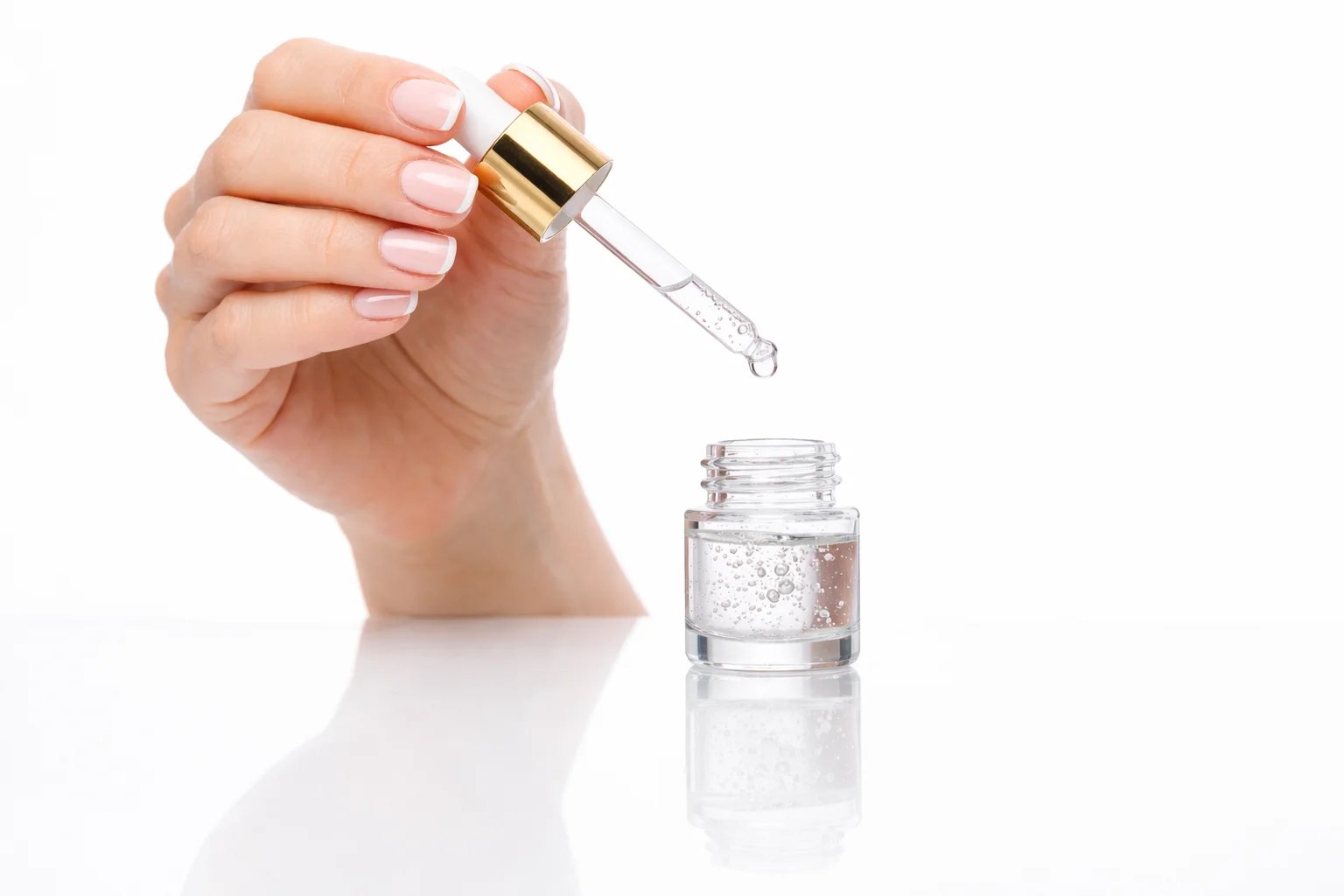
One of the key mechanisms associated with Pal-AHK is its interaction with copper ions. Copper plays a crucial role in wound healing and tissue remodeling, and peptides that bind copper—often called copper peptides—have been studied for their regenerative properties.
By helping deliver copper to the skin in a controlled way, Pal-AHK may support processes like collagen production, elastin maintenance, and extracellular matrix repair. These are all essential for maintaining firm, smooth, and youthful-looking skin.
Because of these properties, Pal-AHK is often discussed alongside better-known compounds like GHK-Cu, which has a longer track record in cosmetic research. Both peptides are believed to promote skin renewal and improve the appearance of fine lines and wrinkles, although Pal-AHK is still relatively under-researched compared to its counterpart. Early findings and theoretical models suggest it could offer similar benefits, potentially with enhanced stability or absorption due to its palmitoylated structure.
In practical terms, Pal-AHK is most commonly found in serums and anti-aging formulations. Users interested in peptide-based skincare often incorporate it into routines aimed at improving skin texture, reducing visible signs of aging, and supporting recovery from environmental stressors like UV exposure and pollution. It is typically used in combination with other active ingredients such as hyaluronic acid, niacinamide, or antioxidants to create a more comprehensive skincare approach.
However, it’s important to keep expectations realistic. While peptides like Pal-AHK are supported by biochemical rationale and some early research, they are not miracle ingredients. Results tend to be gradual and depend heavily on consistent use, formulation quality, and overall skin care habits. Additionally, because the cosmetic industry is less strictly regulated than pharmaceuticals, the concentration and effectiveness of Pal-AHK can vary significantly between products.
Another factor to consider is that most evidence for peptides in skincare comes from laboratory studies or small-scale trials rather than large, long-term clinical studies. This doesn’t mean they are ineffective, but it does mean that claims should be approached with a critical mindset. Marketing language often exaggerates benefits, so it’s worth focusing on formulations from reputable brands that provide transparency about ingredients and concentrations.
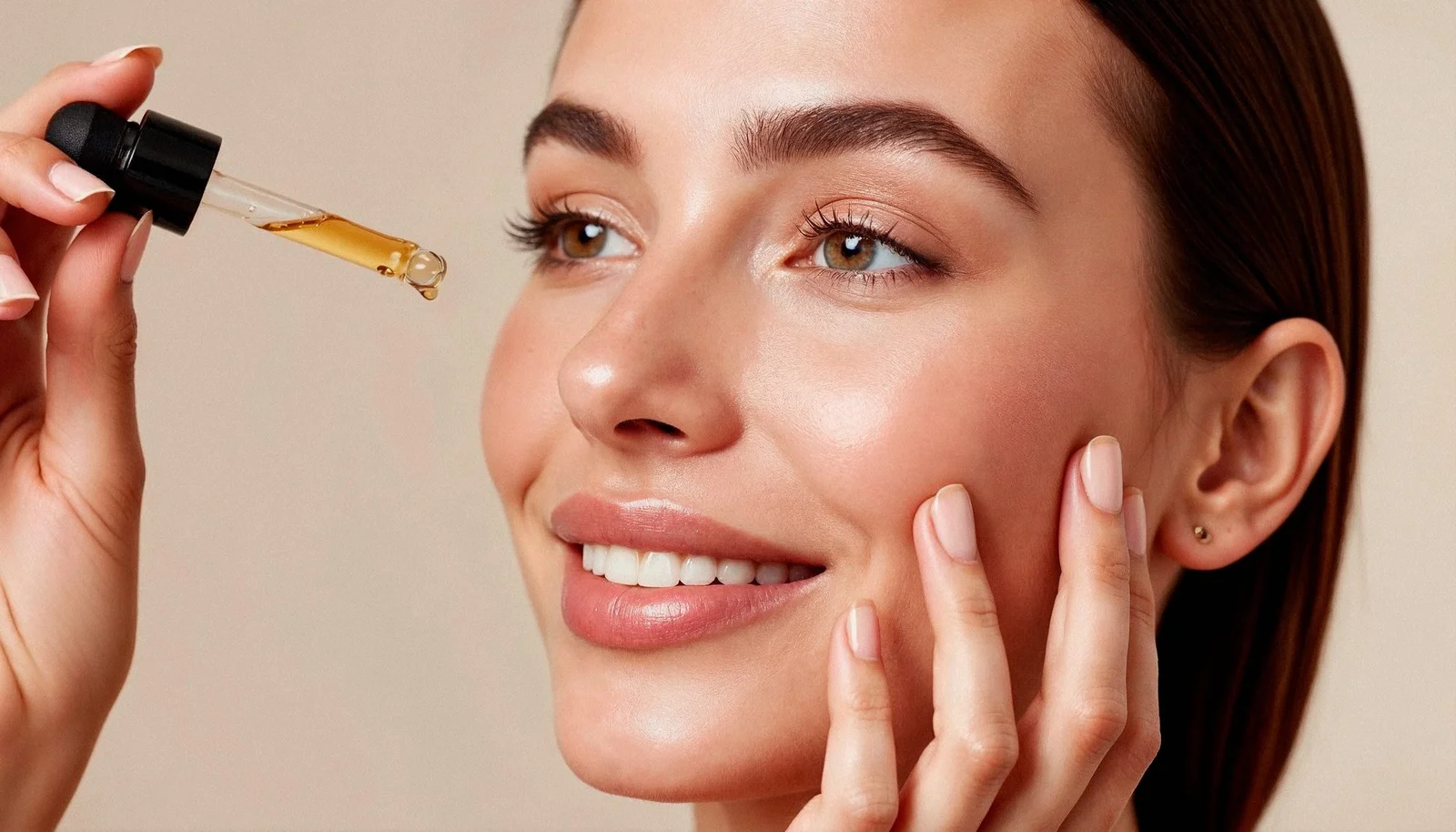
Safety-wise, Pal-AHK is generally considered low-risk when used topically, especially compared to more aggressive treatments like retinoids or chemical peels. It is unlikely to cause irritation for most users, making it a suitable option for people with sensitive skin or those looking to build a gentle, preventative skincare routine. Still, as with any new product, patch testing is recommended to rule out individual reactions.
The growing interest in peptides like Pal-AHK reflects a broader trend toward “intelligent skincare”—products that aim to work with the skin’s natural biology rather than simply masking problems. Instead of exfoliating or resurfacing the skin aggressively, these compounds focus on supporting repair and regeneration from within. This approach aligns with the increasing demand for long-term skin health rather than quick, temporary fixes.
In conclusion, Pal-AHK peptide represents a promising but still emerging ingredient in the world of skincare. Its ability to enhance copper delivery and support key regenerative processes makes it an appealing option for those interested in anti-aging and skin repair.
However, like many newer ingredients, it should be viewed as part of a broader skincare strategy rather than a standalone solution. With consistent use, realistic expectations, and careful product selection, Pal-AHK may offer meaningful benefits—but it is not a substitute for foundational practices like sun protection, hydration, and a balanced lifestyle.